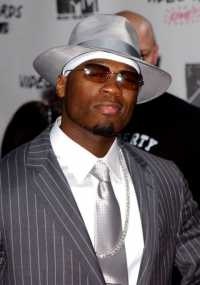
Grimy, streetwise and absolutely fearless, 50 Cent, born Curtis Jackson, has dealt with more in his 26 years than most deal with in an entire lifetime.
Raised without a father, 50 lost his mother when she was found dead of "mysterious circumstances" before he was a teenager and the orphaned rapper was taken in by his grandparents. After a crash course in street life on the infamous New York Avenue, now known as Guy R. Brewer Blvd., 50 amassed a heavy rep and a lengthy rap sheet. It wasn't until his son was born that 50 entered the rap game with the intent to win. He signed with JMJ, the label of Run DMC DJ, Jam Master Jay, and began crafting his skills. When the platinum hit makers The Trackmasters took notice of 50 and signed him to Columbia Records in 1999, his breakthrough seemed inevitable. They shipped 50 to upstate New York and locked him up in the studio. In just over two weeks, 50 cranked out 36 songs, which resulted in Power of a Dollar, which Blaze Magazine deemed a classic. The album produced a sarcastic stick-up anthem called "How to Rob" which blew through the roof and playfully depicted a ruthless up-and-comer detailing how he would rob famous artists like Master P and Timbaland.
The song became an underground hit but not everyone was impressed. Jay-Z, Big Pun, Sticky Fingaz and Ghostface Killah all replied to the song. "It wasn't personal. It was comedy based on truth, which made it so funny," claimed 50 Cent. Amidst the controversy and a potential breakout cut, "Thug Love" with Destiny's Child, heavy bootlegging tainted Columbia's position on the controversial 50 and they pulled the album. Then, in April of 2000, 50 was shot nine times, including a nine millimeter bullet to the face. He spent the next few months recovering and Columbia Records promptly dropped him from the label. Despite a lack of backing and money, 50 teamed up with new business partner Sha Money XL and produced over 30 new songs with the sole purpose of creating a buzz on the underground tip. The recordings spread through New York on black market CDs and mix-tapes like a virus and the rapper eventually released the new material independently on the makeshift LP, Guess Who's Back? Beginning to attract interest, and now backed by the G-Unit crew, 50 kept grinding out more songs.